The Real Reason Walkability Is the New Luxury in Bali
With villa supply up 107% and traffic worse than ever, being able to walk to the beach, a warung, and your desk is now Bali's rarest amenity.
Did you know that Bali's rental supply exploded by 107% in just three years, reaching 44,490 properties and creating a market so crowded that location within walking distance of everything now matters more than pool size or villa square footage? The real reason walkability is the new luxury in Bali comes down to simple math: with tens of thousands of villas competing for the same guests in 2026, the properties that win are the ones where you can leave your keys at home and still get to breakfast, the beach, and your co-working desk on foot.
Key Takeaways
Walkability now outranks size: Guests in 2026 pick location over square meters when booking a villa in Bali.
Supply has exploded: A 107% jump in rental listings over three years means walkable properties stand out from generic inventory.
Traffic is a real cost: Canggu alone accounts for 33.5% of all Bali property transactions, and its congestion makes proximity to amenities more valuable, not less.
Safety plays a role: Scooter accidents remain the top tourist risk, with hospital costs of $200-500 a day, making walkable precincts a genuine safety upgrade.
Digital nomads set the pace: Around 4,700 digital nomads live in Canggu and demand lifestyle convenience within a short walk of home.
Returns follow the trend: Investors in well-located Canggu, Bukit, and Nusa Dua properties are seeing 8-12% annual returns.
Booking ahead matters: If you want a walkable stay in Bali's busiest corridors, you can check availability and book here before peak season fills up.
Why Walkability Is the New Luxury in Bali Right Now
For years, the luxury conversation in Bali centered on infinity pools, private chefs, and rice-field views.
That conversation has shifted.
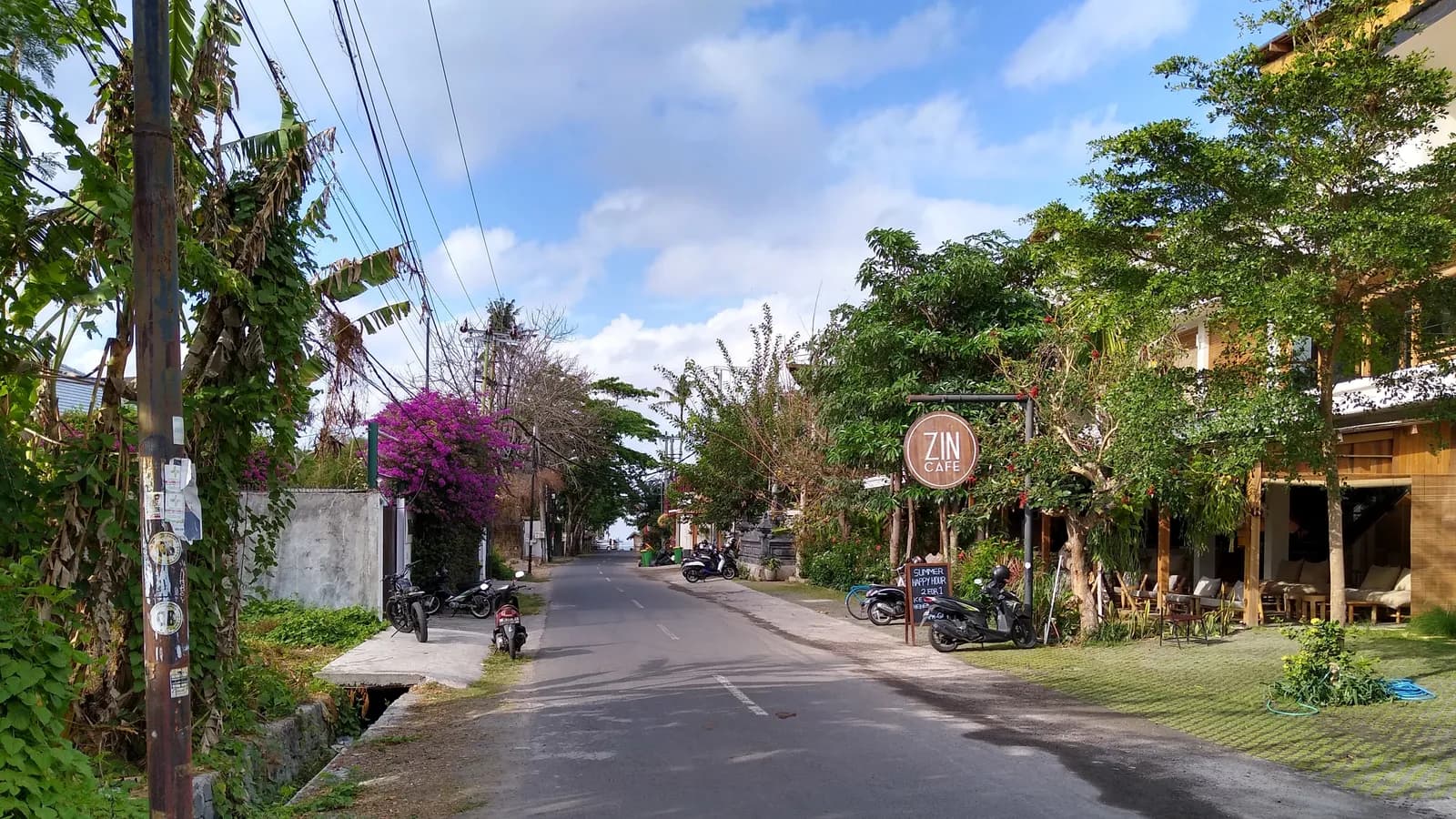
In 2026, the real reason walkability is the new luxury in Bali is that guests are tired of depending on scooters and cars just to get a coffee. With over 7.1 million international visitors recorded in 2025 alone, roads that were once quiet lanes are now bottlenecks, and the ability to walk to a warung, a beach club, or a yoga studio has become the rarest amenity on the island.
We see this play out constantly. Villas tucked ten minutes down a rice-paddy track might look stunning in photos, but guests increasingly ask one question first: what's within walking distance?
The Supply Boom Behind Bali's Walkability Premium
Bali's rental market has grown faster than almost anywhere else in Southeast Asia.
That growth is exactly why walkability has become the new luxury in Bali rather than a nice-to-have.
Did you know? Bali's rental supply grew by 107% in just three years, reaching 44,490 properties, according to Prestige Property Bali.
With that many villas competing for attention, generic inventory struggles.
Villas still make up 86-87% of Bali's total property supply, but a plain villa with a pool no longer differentiates itself. What does differentiate a property is whether guests can step outside the gate and reach a beach, a restaurant, or a gym without booking a driver.
Canggu and the Traffic Problem That Created This Trend
Canggu is the clearest example of why walkability has become the new luxury in Bali.
The area accounts for 33.5% of all property transactions on the island, making it the undisputed epicenter of development. But that same popularity has clogged its narrow roads, turning a five-minute drive into a twenty-minute crawl during peak hours.
Branded residences have responded accordingly. Canggu and Berawa together hold 40% of Bali's total branded residence supply, though land constraints are now pushing developers to look elsewhere for new walkable pockets.
The lesson from Canggu is simple: when traffic gets bad enough, the properties within walking distance of daily life stop being a convenience and start being the entire selling point.
Digital Nomads Are Driving the Demand for Walkable Bali Villas
Bali's long-stay population has changed the game for what "luxury" means.
Roughly 4,700 digital nomads now call Canggu home, and most of them work from cafes, co-working spaces, or their own villa terraces. They don't want a daily commute on a scooter through traffic. They want to walk from their desk to lunch and back without losing half their afternoon.
This shift matters for anyone renting out a property. Owners who can market their villa as "five minutes on foot to everything" attract longer bookings and better occupancy than owners relying on a shuttle service.
Safety Is Part of the Reason Walkability Feels Like Luxury
Walkability in Bali isn't only about convenience. It's also about avoiding the island's biggest physical risk to tourists.
Scooter accidents remain the number one cause of tourist injury in Bali, and hospital costs for treating them run between $200 and $500 a day. That's a steep price for what starts as a quick ride to the beach.
Choosing a villa you can walk everywhere from isn't just about lifestyle. It's a practical way to reduce the single biggest risk most visitors face on the island.
This is a big part of the real reason walkability is the new luxury in Bali for families and older travelers especially. Fewer scooter trips mean fewer chances for an accident to ruin a holiday.
What Investors Are Learning About Walkable Locations
It's not just guests who have caught on. Investors have too.
Properties with the right location and concept in areas like Canggu, Bukit, and Nusa Dua are delivering 8-12% annual returns for owners. That's a meaningful premium compared to remote villas that rely entirely on private transport to reach anything.
Did you know? Bali generated $7.1 billion in tourism revenue in 2025, and much of that spending flows toward well-located, walkable properties.
We think this trend will keep going. As land in the most walkable pockets of Canggu and Berawa runs out, prices for those remaining plots will only climb.
How Overtourism Made Walkable Villas in Bali More Valuable
Bali welcomed a record 7.1 million international visitors in 2025, and that number is expected to climb again in 2026.
That level of tourism has strained iconic sites, roads, and beaches across the island. It has also introduced a mandatory Tourist Tax of IDR 150,000 (about $10 USD), brought in to help fund cultural preservation and environmental cleanup.
Against that backdrop, a villa where you can avoid the worst of the crowds and traffic simply by walking instead of driving feels like a genuine luxury. This is exactly the kind of shift that explains why walkability is the new luxury in Bali for travelers who've had enough of gridlock.
What to Look for When Choosing a Walkable Villa in Bali
If you're planning a stay and want to experience the benefits of a walkable location firsthand, a few things are worth checking before you book.
Distance to the beach: Anything under a 10-minute walk means you'll actually use it daily.
Nearby dining options: Look for at least two or three restaurants or warungs within walking range.
Co-working access: If you plan to work remotely, check whether a co-working space is walkable rather than a drive away.
Road conditions: Some "walkable" areas still lack proper sidewalks, so ask about foot traffic safety.
Noise levels: Walkable often means central, so weigh convenience against quiet.
We recommend reviewing available stays directly and comparing what's genuinely reachable on foot. You can explore current listings here to see how location shapes the overall experience before you commit to a booking.
Comparing Walkable vs. Remote Villa Stays in Bali
Daily transport cost — Walkable Villa: Low or none · Remote Villa: Regular scooter or driver fees
Safety risk — Walkable Villa: Lower (fewer scooter trips) · Remote Villa: Higher, given $200-500/day accident costs
Rental returns — Walkable Villa: 8-12% per annum in prime areas · Remote Villa: Typically lower, more inconsistent
Guest demand — Walkable Villa: High, especially among digital nomads · Remote Villa: Declining as supply grows elsewhere
Conclusion: Walkability Is the New Luxury in Bali for Good Reason
The real reason walkability is the new luxury in Bali isn't about trends or marketing language. It's about traffic, safety, oversupply, and a growing population of long-stay travelers who simply want to walk out their door and reach the things they need.
With rental supply up 107% and international arrivals topping 7.1 million in 2025, the villas that stand out in 2026 are the ones within walking distance of the beach, the cafe, and the co-working desk. If you're planning your next stay in Bali, we suggest putting walkability at the top of your checklist, right alongside the pool and the view.
Frequently Asked Questions
Why is walkability considered the new luxury in Bali?
Walkability is the new luxury in Bali because rental supply has grown 107% in three years while traffic in hotspots like Canggu has worsened significantly. Guests now value being able to reach the beach, restaurants, and work spaces on foot over having a larger villa in a remote location.
Is a walkable villa in Bali worth the extra cost in 2026?
Yes, a walkable villa is generally worth the premium in 2026 because it saves on daily transport costs and reduces exposure to Bali's leading tourist risk, scooter accidents. Properties in walkable areas like Canggu and Berawa also tend to deliver stronger rental returns of 8-12% annually.
Which areas in Bali offer the best walkability for tourists?
Canggu and Berawa currently lead in walkability and amenity density, accounting for 33.5% of Bali's property transactions and 40% of branded residence supply. Nusa Dua and parts of the Bukit are also emerging as strong options for travelers who prioritize walkable, well-planned precincts.
How has overtourism affected walkability trends in Bali?
With 7.1 million international visitors recorded in 2025, roads and popular attractions have become increasingly congested, making walkable properties more valuable than ever. This overtourism pressure is a major factor behind why walkability is the new luxury in Bali rather than just a passing preference.
Are walkable villas in Bali safer than remote ones?
Walkable villas are generally safer because they reduce the need for scooter travel, which is the top cause of tourist injuries in Bali. Hospital costs for scooter accidents run $200-500 per day, so cutting down on daily rides by choosing a walkable location lowers that risk considerably.
Do digital nomads prefer walkable locations in Bali?
Yes, with around 4,700 digital nomads based in Canggu alone, walkable access to co-working spaces, cafes, and daily amenities has become a top priority for long-stay renters. This demand is a key reason walkability is treated as the new luxury in Bali's rental market.
How do I book a walkable villa stay in Bali?
The easiest way is to check availability directly and confirm what's within walking distance before committing. You can book here to secure a stay in one of Bali's walkable precincts ahead of peak season.