The Bingin Lifestyle and Geography: How Bali's Cliffside Village Shapes a Different Way of Living
Limestone cliffs, a reef break and a beach that vanishes at high tide — how Bingin's terrain sets the slow, surf-led pace of village life.
Did you know that more than 6 billion people are now online globally, yet the small clifftop village of Bingin still runs on sun position, tide charts, and word of mouth? That contrast sits at the heart of the Bingin lifestyle and geography, a place where dramatic limestone cliffs, a world-class surf break, and a slower pace of daily life combine into something you won't find replicated anywhere else in Bali.
Key Takeaways
What defines the Bingin lifestyle and geography? — A cliffside village on Bali's Bukit Peninsula where surfing, ocean views, and a laid-back daily rhythm shape how residents and visitors live.
Where exactly is Bingin located? — On the southwestern tip of Bali's Bukit Peninsula, perched above a narrow beach cove accessed by steep steps carved into the cliff.
Is Bingin good for beginners or experienced surfers? — The reef break at Bingin favors experienced surfers, though the surrounding area suits travelers of every skill level who want to watch, learn, or simply relax.
What should you pack for the Bingin climate? — Breathable natural fibers like cotton, since 75 percent of global consumers already prefer cotton or cotton blends for comfort in warm climates.
Where can you stay in Bingin? — Options range from cliffside guesthouses to private villas such as La Isla, which sits close to the village's rhythm and a short walk from the beach.
Is Bingin still worth visiting in 2026? — Yes, the Bingin lifestyle and geography remain a draw in 2026 precisely because the village has resisted large-scale development compared to nearby areas.
How does Indonesia's population affect Bingin? — Indonesia holds roughly 3.6 percent of the global population, and that scale supports the infrastructure and community that keeps small villages like Bingin connected.
Understanding the Bingin Lifestyle and Geography
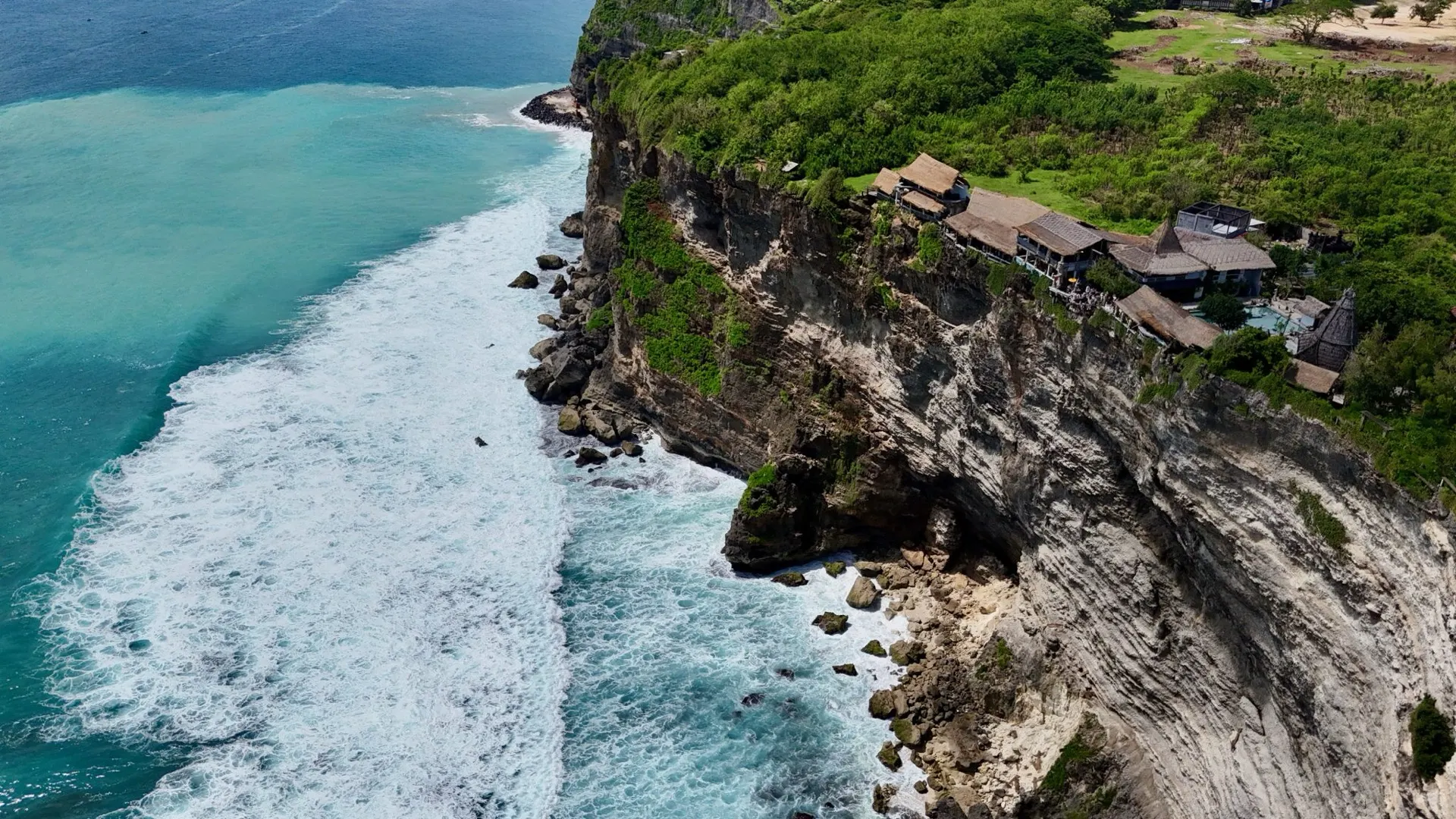
Bingin sits on the southwestern edge of Bali's Bukit Peninsula, a limestone plateau that juts out into the Indian Ocean.
The village itself is tiny by most standards, a cluster of warungs, homestays, and surf shacks perched on cliffs above a hidden beach.
What makes the Bingin lifestyle and geography worth studying isn't size, it's how tightly the two are linked.
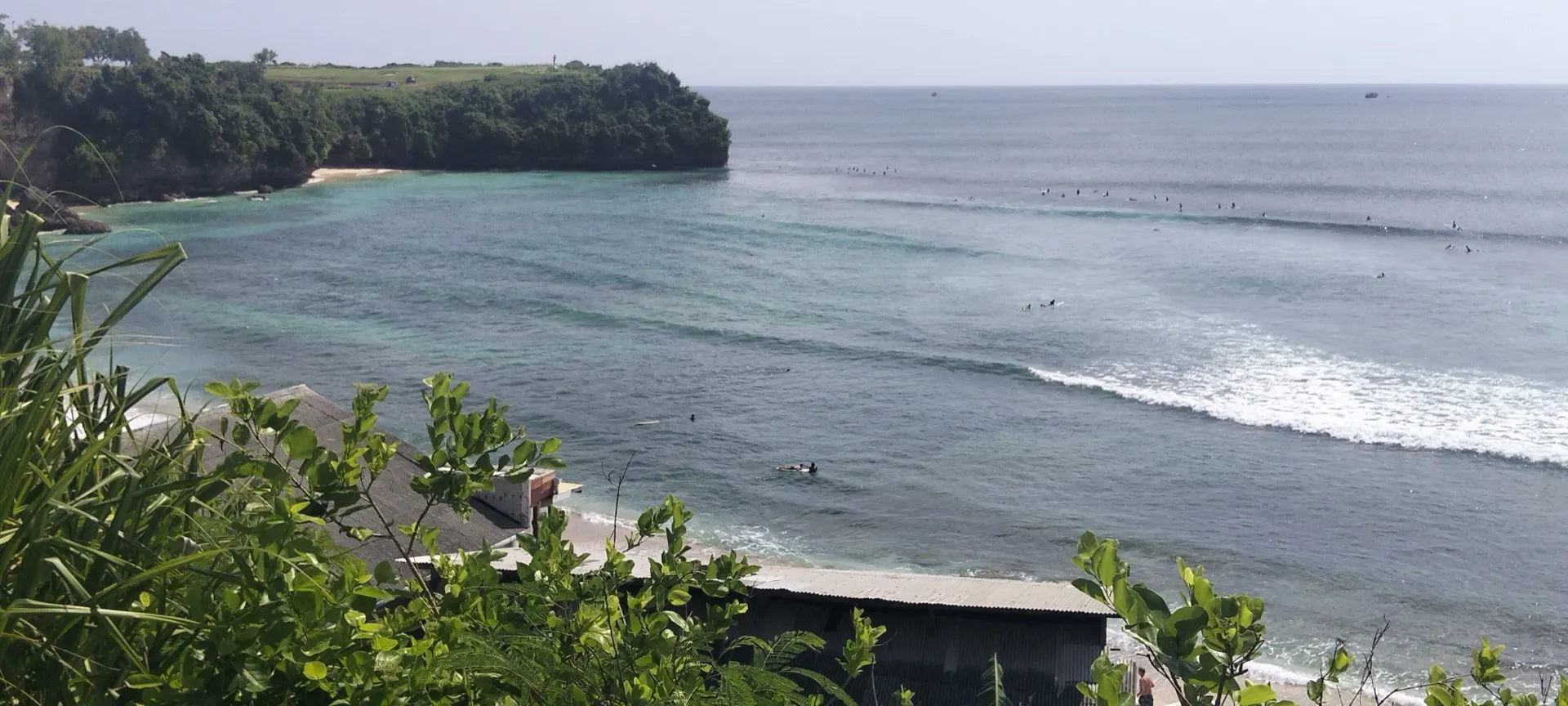
The terrain dictates the pace: steep steps down to the sand, narrow cliff paths between properties, and a beach that disappears entirely at high tide.
The Geography That Shapes Daily Life in Bingin
Bukit Peninsula geology is mostly dry limestone, very different from the volcanic soil found further north in Bali.
That means less farmland, fewer rice terraces, and an economy built almost entirely around the ocean, tourism, and surf culture.
The cliffs that make Bingin's views so striking also limit how much building can happen, which has kept the village smaller and quieter than beach towns with flatter access.
Indonesia as a whole spans thousands of islands, and this geographic fragmentation is part of why places like Bingin can stay distinct even while sitting close to busier tourist hubs.
Did you know? Indonesia holds 3.6 percent of the entire global population, making it one of the largest demographic hubs in the Asia-Pacific region, and Bingin sits within this vast archipelago as a tiny but distinct geographic pocket.
Indonesia's Population Growth and What It Means for Bingin
Indonesia's total population sits at roughly 285.7 million people as of 2025, according to World Bank figures.
Population density across the country averages 153 people per square kilometer, but that number varies enormously between crowded cities and quiet coastal villages like Bingin.
Annual population growth of around 0.76 percent continues to push infrastructure planning across Bali, even in areas where the terrain limits how much can physically be built.
This matters for anyone thinking about the Bingin lifestyle and geography long-term, because growth pressure elsewhere in Bali often pushes both visitors and residents toward quieter pockets like Bingin.
Daily Rhythm: Surf, Sun, and Slow Mornings
Life in Bingin follows the swell more than the clock.
Mornings start early, often before sunrise, when the tide and wind conditions are best for the reef break that put this village on the map.
Afternoons slow down considerably, with many residents and long-term visitors retreating from the heat until late afternoon light returns.
This tide-driven schedule is one of the clearest markers of how geography shapes the Bingin lifestyle and geography as a single, connected idea rather than two separate topics.
The Digital Side of the Bingin Lifestyle and Geography
Even in a village this small, digital life runs alongside the analog one.
More than 6 billion people are online globally as of late 2025, and roughly 2 in 3 people worldwide now use social media in some form.
Surf reports, accommodation bookings, and even warung recommendations increasingly move through phones rather than word of mouth alone.
More than 1 billion people now use AI tools every month, and travelers researching the Bingin lifestyle and geography are increasingly part of that number, using AI to plan trips before they ever set foot on the cliff path.
What to Wear: Clothing Choices That Fit the Bingin Climate
Heat, humidity, and salt air define what actually works in a Bingin wardrobe.
Globally, 75 percent of consumers already prefer clothing made from cotton, cotton blends, or denim, and that preference translates directly to a place with Bingin's climate.
Breathable natural fabric handles sweat and sun far better than synthetic blends, which is why so many long-term surfers and residents default to simple cotton pieces.
Beyond comfort, 83 percent of consumers consider natural fibers safer for the environment, a consideration that matters in a fragile coastal ecosystem like Bingin's reef and cliffside.
Did you know? 75 percent of global consumers prefer clothing made from cotton, cotton blends, or denim, a preference that lines up closely with what actually works in Bingin's hot, humid, salt-heavy air.
Where to Stay: Living the Bingin Lifestyle Firsthand
Accommodation in Bingin ranges from budget homestays tucked into the cliffside to private pool villas set back from the cliff edge.
One option worth considering is La Isla, five private villas in Bingin positioned to put guests close to the ocean rhythm that defines this stretch of coast.
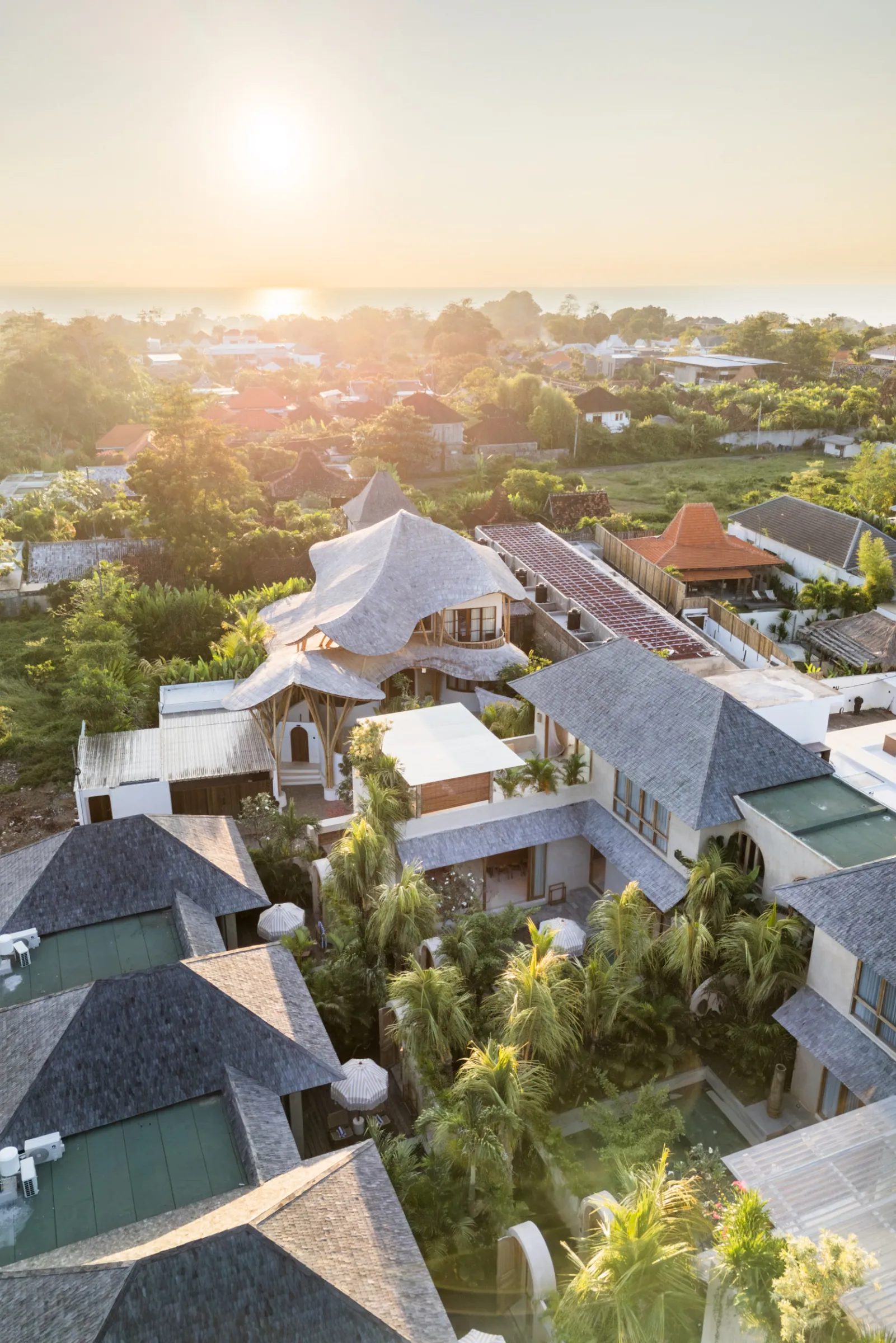
Staying somewhere close to the water changes how you experience the Bingin lifestyle and geography, since the walk down to the beach and back becomes part of the daily routine rather than a special trip.
If you're planning a stay, it's worth checking availability directly through the booking page well ahead of peak surf season.
Sustainable Living and Natural Fibers in a Coastal Village
Sustainability isn't just a buzzword in a place built on a fragile reef ecosystem, it's a practical necessity.
59 percent of consumers globally say they're willing to pay more for clothing made from natural fibers, citing comfort and quality as the main reasons.
That willingness matters in Bingin, where local shops increasingly stock natural-fiber clothing suited to both the climate and the environmental pressures facing the coastline.
Consumer behavior also shows that 71 percent of shoppers still prefer trying on clothing in person, and 56 percent say feeling the fabric matters, both of which explain why small in-person boutiques continue to do well in surf towns like this one.
Planning Your Own Bingin Lifestyle Experience in 2026
Anyone planning a trip built around the Bingin lifestyle and geography should think about timing first.
Dry season, roughly April through October, brings the most consistent surf conditions and the clearest cliffside views.
Booking accommodation early matters more each year as awareness of Bingin grows beyond dedicated surfers.
Check swell forecasts before locking in dates if surfing is the priority
Pack breathable natural-fiber clothing suited to heat and salt air
Book private villas like La Isla in advance during peak months
Plan around tide charts, since the beach itself disappears at high tide
Bring cash for smaller warungs that don't always accept cards
Conclusion
The Bingin lifestyle and geography aren't two separate subjects, they're one continuous story about how limestone cliffs, tide charts, and a small footprint of buildable land shaped a community around surfing and slow living.
Indonesia's scale as a nation, its population, its islands, its digital growth, sits in the background of everything happening on this one small stretch of coast.
Whether you're drawn by the reef break, the cliffside views, or simply a slower pace of daily life, understanding the Bingin lifestyle and geography before you go makes the experience far more rewarding once you're standing at the top of those cliff steps.
Frequently Asked Questions
What makes the Bingin lifestyle and geography different from other parts of Bali?
Bingin's limestone cliff terrain limits large-scale development, which has kept the village smaller and more surf-focused compared to flatter, busier areas of Bali. This combination of geography and restraint on building is what gives the Bingin lifestyle its distinct, slower character.
Is Bingin suitable for non-surfers?
Yes, plenty of visitors come for the cliffside views, the warungs, and the relaxed pace without ever entering the water. The Bingin lifestyle extends well beyond surfing, covering everything from sunset watching to simple beachside living.
How do you get down to Bingin Beach?
Access is via a steep set of steps carved into the cliff, connecting the clifftop village to the narrow beach below. This physical geography is a defining feature of daily life in Bingin and shapes how residents and visitors move through the area.
Is the Bingin lifestyle worth experiencing in 2026?
Yes, Bingin in 2026 still offers a quieter alternative to Bali's more developed beach towns, largely because its geography naturally limits growth. Travelers looking for the original Bingin lifestyle and geography experience should still find it largely intact this year.
What should I pack for a trip focused on the Bingin lifestyle?
Breathable natural-fiber clothing works best, since global data shows 75 percent of consumers already prefer cotton or cotton blends for comfort. Pack light, quick-drying layers suited to heat, humidity, and salt air.
Where can I book accommodation near Bingin's cliffs and beach?
Properties like La Isla offer a way to stay close to the coastline and the daily rhythm of the village. You can check dates directly through the booking page.
How does Indonesia's population size relate to a small village like Bingin?
Indonesia's population of roughly 285.7 million people supports the broader infrastructure, from ferries to airports, that makes reaching remote spots like Bingin possible. Even though Bingin itself is tiny, it exists within one of the largest and most geographically spread-out countries on earth.