
The Suluban Cave Walk: Why Timing the Tide Is Everything
Suluban's tide can swing nearly nine feet in a day. Here's how to time the cave walk so you get open sand and tide pools — not a flooded scramble back up the cliff.
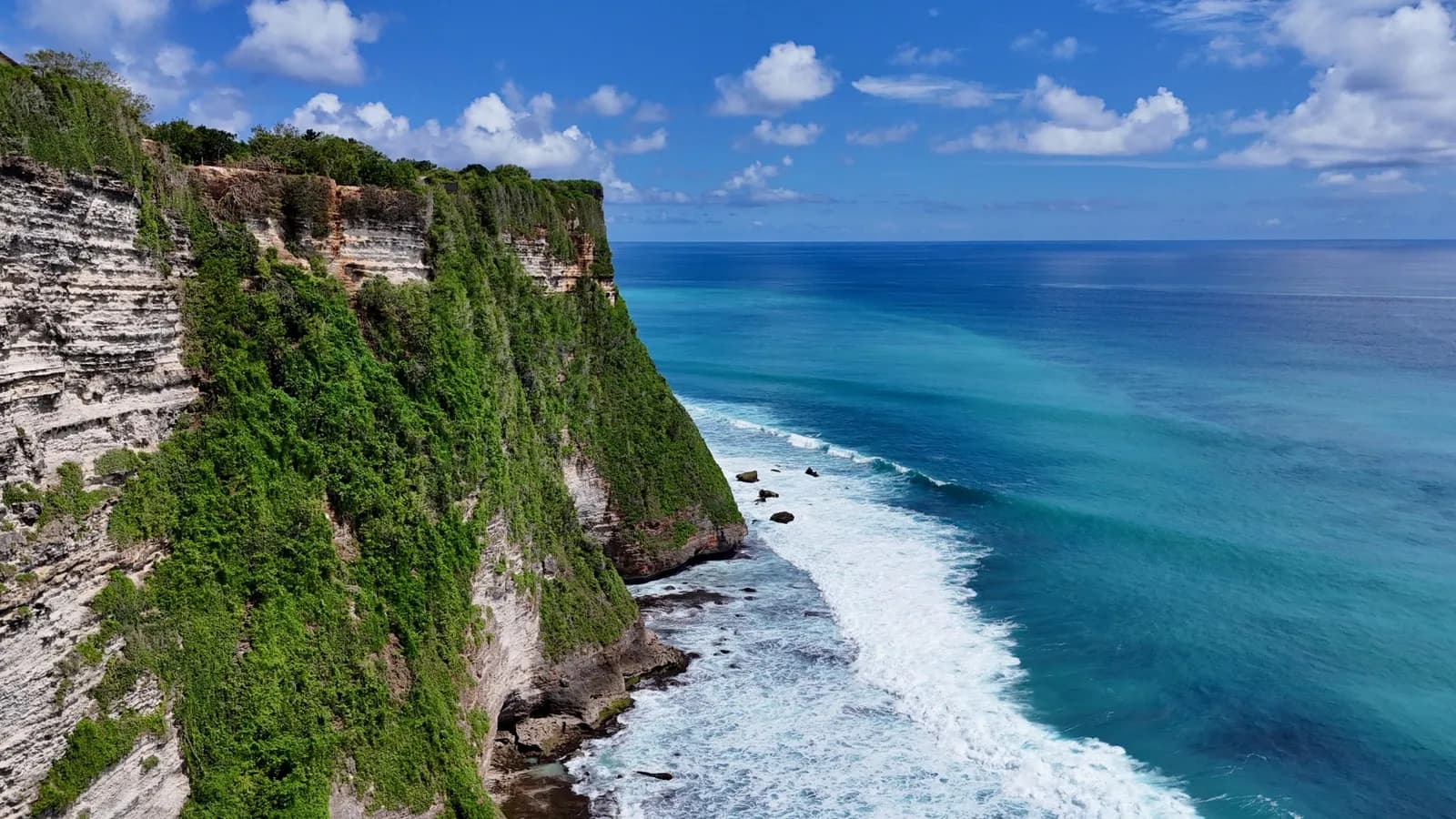
The tide at Suluban can swing from a mere 1.0 feet to a towering 9.4 feet within a single August 2026 day, and that difference decides whether you walk across open sand or swim for your life. The Suluban Cave Walk: Why timing the Tide is Everything isn't just a catchy phrase, it's the single most important piece of advice we can give anyone planning a trip to this famous stretch of Uluwatu coastline.
Key Takeaways
Tide timing is non-negotiable: Low tide (around 1.0ft) opens the beach and tide pools; high tide (up to 9.4ft) can submerge the entire cave floor.
The walk down is physical: Visitors descend roughly 100 concrete steps cut into the cliff to reach the cave entrance and beach.
The cave passage is tight: Crawling through the limestone tunnel to the secluded section of beach takes about 1 minute if the tide cooperates.
The surf is serious: Suluban's break produces waves from 3 to 12 feet, making it a world-renowned spot, but also dangerous for anyone caught by rising water.
It's genuinely popular: Content from the beach has racked up over 1.4 million views on social media, and travelers rate the experience 4.9 out of 5.0 on Trip.com.
Where to base yourself matters: Staying close to Uluwatu makes it far easier to time your visit around the tide charts. Browse our Uluwatu villas for options near the cliffs.
Q: What is the best tide for the Suluban Cave Walk? Low tide, ideally under 1.5ft, gives you flat sand, exposed tide pools, and safe passage through the cave.
What Makes the Suluban Cave Walk Worth Planning Around the Tide
Suluban Beach sits below a dramatic limestone cliff in Uluwatu, and the only way down is through a narrow, naturally carved cave.
Walking through that cave feels different depending on the hour you arrive. At low tide, you step onto dry sand, wander past shallow pools, and see the cave's interior in full.
At high tide, the same passage can fill with churning seawater, and the beach beyond simply disappears. This is exactly why the Suluban Cave Walk: Why timing the Tide is Everything has become the defining piece of advice locals give every visitor before they go.
Understanding the Tide Tables for the Suluban Cave Walk in 2026
Tide charts for Uluwatu change daily, and the swings can be extreme. On August 13, 2026, for example, Surfline's data shows a predicted low of 1.0ft alongside a high of 9.4ft on the very same day.
That's not a small variation. It's the difference between a relaxed stroll through tide pools and a beach that no longer exists above water.
Before you go, check a live tide chart for the day you plan to visit. We always tell guests staying with us that a five-minute check the night before saves a lot of frustration, or worse, a wet scramble back up 100 steps.
High Tide vs Low Tide: What You'll Actually See at Suluban
The contrast between tide states at Suluban isn't subtle. Here's a simple breakdown of what to expect at each stage:
Low (around 1.0ft) — What You'll See: Exposed sand, tide pools, full cave floor visible · Safe for the Cave Walk?: Yes, this is the ideal window
Mid (2ft to 5ft) — What You'll See: Narrower beach, cave passage still passable but wetter · Safe for the Cave Walk?: Caution advised, watch the clock
High (7ft to 9.4ft) — What You'll See: Cave floor submerged, waves crashing into rock walls · Safe for the Cave Walk?: No, avoid entirely
Notice how quickly conditions shift between rows. This is the core reason the Suluban Cave Walk: Why timing the Tide is Everything remains true no matter how many times you've visited before.
The Best Time of Day for the Suluban Cave Walk
Early morning low tides tend to bring calmer water and fewer crowds. Late afternoon low tides pair beautifully with the golden light Uluwatu is known for, though the cliff crowd near Single Fin grows heavier around sunset.
We recommend checking the tide chart against sunrise and sunset times for your travel dates. Arriving 30 to 45 minutes before the lowest point of the tide gives you a comfortable buffer to explore before the water starts creeping back in.
Getting Down to Suluban: Steps, Cave, and Cliffside Access
Reaching Suluban Beach requires descending roughly 100 concrete steps carved into the cliff face. It's not a technical climb, but it is steep, and it can be slippery when wet.
At the bottom, you'll find the cave entrance. Depending on the tide, you may need to crouch or crawl for about a minute through the low limestone passageway before emerging onto the quieter section of beach beyond.
Motorbike parking near the top, close to the Single Fin area, typically costs around 5,000 IDR. It's a small fee for access to one of Bali's most photographed coastlines.
Did you know? Suluban's surf break produces waves ranging from 3 to 12 feet, making it one of the most powerful and respected breaks in the world.
Safety Tips: Why Timing the Tide Really Is Everything at Suluban
Global research on coastal inundation shows that the safe window for exploring low-lying areas like tide pools and cave floors can range from as little as 1 hour to as much as 14 hours, depending on local conditions. Suluban falls on the shorter, faster-changing end of that spectrum.
That means a window that feels wide open can close far faster than expected. A few practical habits keep visitors safe:
Check the daily tide chart before you leave your accommodation, not after you arrive.
Set a phone alarm for the time you need to start heading back up.
Wear grippy sandals or reef shoes, the rocks near the cave get slick fast.
Never turn your back on the surf, even at low tide the shore break can surprise you.
Bring a dry bag for phones and cameras, splashes happen even on calm days.
Visitors consistently rate the Suluban Beach experience 4.9 out of 5.0, but the reviews that mention timing issues almost always involve someone who ignored the tide chart.
Did you know? 3–12 foot waves — The height of waves encountered at the Suluban surf break, which is famous for its powerful and world-renowned swells.
Where to Stay Near Suluban for Easy Tide-Timed Visits
Staying close to Uluwatu makes tide-chasing much simpler. Instead of racing across the island to catch a two-hour low tide window, you can be at the cliff top in minutes.
Our Uluwatu villas put you within easy reach of Suluban and the surrounding surf breaks, so you can check the tide chart and simply walk out the door when conditions are right. It's a far more relaxed way to plan your days around the ocean's schedule rather than a taxi's.
What to Bring for the Suluban Cave Walk
Packing light but smart makes the descent and the cave crawl much easier. Here's what we suggest bringing along:
Water shoes or reef sandals with good grip
A small dry bag for phones, keys, and cash
Sun protection, since the cliff top offers little shade
A printed or screenshotted tide chart in case signal drops near the water
A refillable water bottle for the climb back up
If you'd like to see what the walk and the beach actually look like before you go, our photo gallery gives a good sense of both the cave passage and the open beach at low tide.
Booking a Guided Experience Around the Tide
If you'd rather not track tide charts yourself, a guided visit can take the guesswork out of it. Our team plans Uluwatu experiences around the tide schedule, so guests reach Suluban exactly when the beach is walkable and the cave is passable.
It's a straightforward way to make sure the Suluban Cave Walk: Why timing the Tide is Everything doesn't turn into a rushed scramble back up the cliff steps.
Planning Your Trip: Questions Before You Book
Most travelers reach out with a few common questions before locking in their dates. Our contact page is the fastest way to ask about current tide conditions, villa availability, or how to combine the cave walk with other Uluwatu attractions.
Once you've settled on dates, you can secure your stay directly through our booking page. We'll happily point you toward the best low tide windows during your visit.
Conclusion
The Suluban Cave Walk: Why timing the Tide is Everything sums up exactly what makes this beach so memorable, and occasionally so risky. Get the tide right, and you'll walk through a limestone cave onto open sand with tide pools glittering around you. Get it wrong, and you'll be watching that same cave fill with 9-foot swells from a safe distance up the cliff. Check the chart, plan your window, and Suluban rewards you with one of Uluwatu's most striking coastal walks.
Frequently Asked Questions
Is the Suluban Cave Walk worth doing in 2026?
Yes, the Suluban Cave Walk remains one of Uluwatu's most rewarding coastal experiences in 2026, especially when timed with a low tide window. The combination of dramatic limestone cliffs, a narrow cave passage, and a world-class surf break just offshore makes it worth the effort every time.
What time is low tide at Suluban Beach?
Low tide times shift daily and shouldn't be assumed from memory. Always check a current tide chart for Uluwatu before you go, since predicted lows around 1.0ft can occur at very different hours from one day to the next.
Can you get stuck in the Suluban cave at high tide?
Yes, at high tide the cave passage and beach floor can fully submerge, trapping anyone who lingers too long. This is exactly why timing the tide is everything when planning the Suluban Cave Walk, and why we always recommend leaving well before the tide turns.
How many steps does it take to reach Suluban Beach?
Visitors descend approximately 100 concrete steps carved into the cliffside to reach the cave entrance and beach level. The climb back up can feel more demanding than the walk down, especially in Bali's heat.
Is Suluban Beach safe for swimming?
Suluban is primarily known for its powerful surf break, with waves ranging from 3 to 12 feet, and it's better suited to experienced surfers than casual swimmers. Anyone entering the water at any tide should stay close to shore and remain aware of rip currents.
How long does the tide window at Suluban actually last?
The safe window for exploring the tide pools and cave can range widely, from around 1 hour to as long as 14 hours depending on conditions, but Suluban tends to change faster than that upper range suggests. Treat any low tide window as shorter than expected and plan to leave with time to spare.
Where should I stay to easily time the Suluban Cave Walk?
Staying in Uluwatu itself makes tide-timed visits far easier, since you can check the chart and walk over rather than commute across the island. Our Uluwatu villas sit close enough to Suluban that guests can plan their visit around the tide without losing half a day to travel.