
The Architectural Reason Behind Frangipani and Bird-Song Mornings
Why open-air tropical design lets frangipani scent and the dawn chorus fill a room — and where in Bali those mornings still exist.
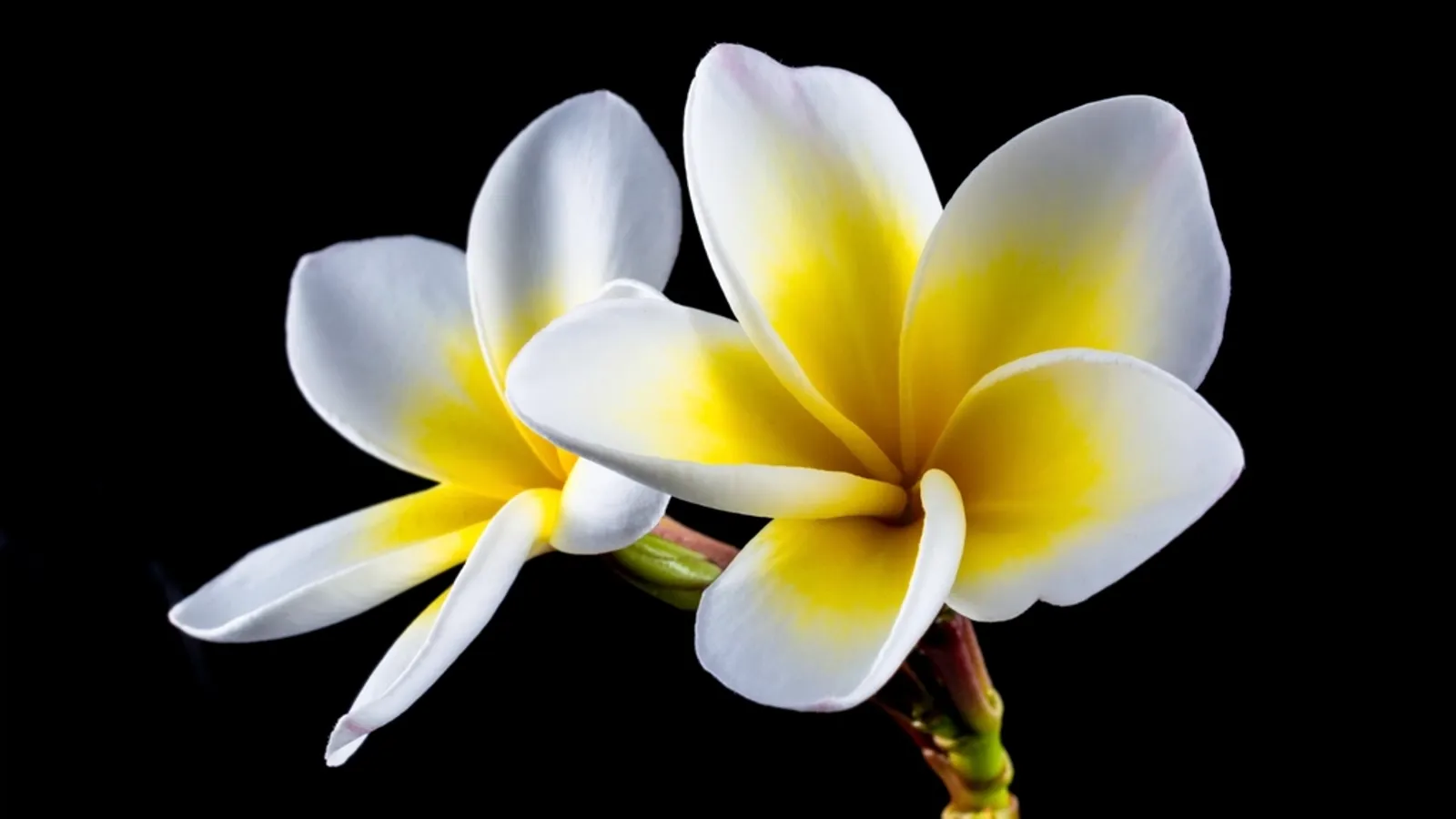
More than a billion birds die every year in the United States after colliding with glass windows in architectural structures, according to Noel Brennan of CBS. That grim statistic is exactly why understanding the architectural reason behind frangipani and bird-song mornings matters so much right now, in 2026, as more tropical properties rethink how they build around nature instead of against it.
Key Takeaways
Open architecture matters: Buildings with open-air layouts, high ceilings, and natural airflow are the real reason frangipani scent and bird-song travel so freely through tropical mornings.
Light pollution changes bird behavior: Birds near artificial light start vocalizing 20 minutes earlier in the morning, per NPR research.
Glass is the enemy of birdsong mornings: Heavy glass construction is directly linked to over a billion bird deaths annually in the US alone.
Birdsong is more complex than we think: A single male Bachman's sparrow can produce 48 distinct song types, according to Florida Atlantic University.
Frangipani placement isn't random: Traditional tropical courtyard design places these trees near windows and walkways specifically to carry scent indoors at dawn.
Bird populations are shrinking: More than 50% of birds in western US forests are currently in decline, per the Klamath Bird Observatory.
Where to feel it in Bali: Areas like Bingin Beach and Uluwatu still preserve the open, low-density architecture that makes these mornings possible.
What Is the Architectural Reason Behind Frangipani and Bird-Song Mornings?
The architectural reason behind frangipani and bird-song mornings comes down to one simple design choice: openness.
Buildings without full glass enclosures, with slatted roofs, open courtyards, and low garden walls, let scent and sound move the way nature intended.
Frangipani trees release their strongest fragrance at night and into early morning, and when a structure has open eaves or unglazed window openings, that scent drifts straight into living spaces.
Birds respond to the same openness. A courtyard with mature trees and no reflective glass barriers gives birds safe perches close to human spaces, which is why bird-song mornings feel so present in traditional tropical compounds compared to fully enclosed modern buildings.
How Tropical Architecture Invites Frangipani Scent Into Every Room
Frangipani (Plumeria) has a scent profile that intensifies after sunset and lingers until mid-morning.
Architects working in tropical climates have known this for generations, which is why frangipani trees are so often planted directly outside bedroom windows, along entry paths, and near open-air bathrooms.
This isn't decorative accident. It's a deliberate architectural reason behind frangipani placement that dates back to vernacular Balinese and Southeast Asian building traditions, where gardens were designed as extensions of the home rather than separate from it.
Low perimeter walls that don't block airflow
Open-plan pavilions (bale) with minimal glass
Covered but unenclosed walkways that pass beneath flowering canopies
Courtyard placement so scent circulates through multiple rooms at once
Why Open-Air Design Is the Real Secret Behind Bird-Song Mornings
Bird-song mornings aren't just about having birds nearby. They're about having architecture that doesn't muffle or block the sound.
Solid concrete walls and sealed double-glazed windows, common in colder climates, are built to keep sound out.
Tropical open-air structures do the opposite on purpose. They're built to let air, light, scent, and sound pass through freely, which is the architectural reason bird-song mornings feel so vivid in places designed this way compared to sealed, air-conditioned buildings elsewhere.
Birdsong itself is more layered than most people realize. Researchers at the BBC have identified just 8 fundamental sound types, or motifs (trills, whistles, and similar patterns), that combine to create the incredible diversity of birdsong we hear every morning.
The Science of Birdsong: Why Mornings Sound the Way They Do
Birds sing most intensely at dawn because cooler, calmer air carries sound farther and clearer than the warmer, more turbulent air later in the day.
This is called the "dawn chorus," and it's a universal phenomenon that architecture can either amplify or dampen depending on how a structure is oriented and built.
A single male Bachman's sparrow produces an average of 48 distinct song types, according to Florida Atlantic University research, showing just how sophisticated this natural acoustic system really is.
Open structures near gardens and tree cover let that full complexity reach the ear, which is a major part of the architectural reason behind frangipani and bird-song mornings feeling so rich in tropical settings.
Light Pollution and the Architectural Reason Birds Sing Earlier Every Year
Artificial light doesn't just affect sleep for humans. It reshapes bird behavior in measurable ways.
According to NPR, light pollution extends birds' daily routines by an average of 50 minutes, effectively making their "day" almost an hour longer than it would naturally be.
Even more striking, birds exposed to artificial light start vocalizing about 20 minutes earlier in the morning than birds in naturally dark environments.
This is one more reason low-impact, low-light architecture (common in remote coastal and hillside builds) preserves the timing and rhythm of authentic bird-song mornings rather than distorting them.
Did you know? Light pollution extends birds' daily routines by an average of 50 minutes, and causes them to start vocalizing 20 minutes earlier each morning. (Source: NPR)
Designing Gardens That Bring Frangipani Trees and Songbirds Together
A garden built for this experience isn't just about planting frangipani trees near windows.
It's about creating layered vegetation, low canopy trees for scent, mid-height shrubs for shelter, and taller trees for nesting, so birds have reasons to stay close to the home rather than pass through.
The wider context here is sobering. The Wildlife Management Institute reports that 112 bird species in the US have lost more than 50% of their populations over the last 50 years, and North America has lost 3 billion birds total over that same period.
Thoughtful garden and architectural planning, even at the scale of a single property, is one small but real way to push back against that decline while also making bird-song mornings something guests and residents can actually experience.
Where the Architectural Reason Behind Frangipani and Bird-Song Mornings Still Thrives
Certain places have managed to preserve the exact conditions this article is built around: low-density building, open-air structures, mature gardens, and minimal light pollution.
Coastal Bali is one of the clearest remaining examples.
Villages and clifftop stays around Bingin Beach still follow traditional open-pavilion layouts that let frangipani scent and dawn birdsong move freely through living spaces.
The same holds true near the Uluwatu surf break, where cliffside architecture tends to favor open terraces over sealed glass facades.
Even wellness-focused spaces follow this pattern. Many of the yoga studios in Uluwatu are built with open walls specifically so practitioners can hear the dawn chorus and smell frangipani during early morning sessions.
The Human Connection: Why This Kind of Morning Matters
Nearly 100 million Americans identify as birdwatchers, according to the Klamath Bird Observatory, which shows just how deep the human draw to birdsong really runs.
That connection isn't just emotional. It's economic too.
Birder trips and related equipment spending generate $279 billion in annual economic output in the US alone.
People are actively seeking out places and buildings that let them experience unfiltered nature, and understanding the architectural reason behind frangipani and bird-song mornings helps explain why certain properties and destinations command so much more genuine appeal than fully enclosed, climate-sealed alternatives.
Protecting the Architecture of Nature: Glass, Light, and Bird Safety
Not every architectural choice supports this kind of morning.
Large panes of reflective glass, increasingly common in modern resort and residential design, are directly responsible for more than a billion bird deaths in the US every year.
Buildings that prioritize glass walls over open airflow don't just block scent and sound. They actively endanger the birds that create bird-song mornings in the first place.
Property designers who care about preserving this experience in 2026 are increasingly choosing:
Fritted or patterned glass that birds can visually detect
Smaller window openings paired with open-air transitions
Warm, low-intensity outdoor lighting instead of bright floodlights
Native tree planting that supports local bird populations rather than ornamental species alone
How to Experience an Architecturally Designed Frangipani and Bird-Song Morning
If reading about this makes you want to actually wake up to it, the good news is that these conditions still exist and can be booked.
Look for stays built with open pavilions, gardens planted specifically around windows, and minimal artificial lighting after dark.
You can check availability for a stay designed around this kind of open, garden-forward architecture rather than sealed modern construction.
The difference is immediately noticeable the first morning you wake up to scent and sound moving freely through a room instead of being blocked by glass and insulation.
Conclusion
The architectural reason behind frangipani and bird-song mornings isn't mysterious once you look at it closely: it comes down to open design choices that let scent and sound travel the way nature intended.
From low garden walls to minimal glass and thoughtful tree placement, every element either supports or blocks this experience.
As more properties in 2026 move toward sealed, climate-controlled construction, understanding and choosing open-air architecture is becoming one of the few reliable ways to keep frangipani and bird-song mornings part of daily life.
Frequently Asked Questions
What is the architectural reason behind frangipani and bird-song mornings?
The architectural reason behind frangipani and bird-song mornings is open-air building design, including low walls, unglazed openings, and courtyard gardens, that lets scent and sound travel freely through living spaces instead of being blocked by glass and insulation.
Why do frangipani trees smell stronger in the morning?
Frangipani trees release their strongest fragrance at night into early morning to attract pollinating moths, and open architecture near these trees allows that scent to drift naturally indoors at dawn.
Why do birds sing earlier in areas with more artificial light?
According to NPR, artificial light causes birds to start vocalizing about 20 minutes earlier and extends their overall daily activity by roughly 50 minutes, disrupting the natural dawn chorus timing.
Is glass architecture bad for birds?
Yes, heavily glazed buildings are a serious hazard, with more than a billion birds dying annually in the US from window collisions, which is why open-air and low-glass architecture is a better choice for supporting healthy bird populations.
Where can I experience frangipani and bird-song mornings in Bali in 2026?
Coastal areas like Bingin Beach and clifftop stays near the Uluwatu surf break still feature traditional open-pavilion architecture that preserves these authentic morning conditions.
How many distinct sounds make up birdsong?
Researchers at the BBC have identified 8 fundamental motifs, such as trills and whistles, that combine to form all the birdsong diversity we hear, while a single male Bachman's sparrow alone can produce 48 distinct song types.
Is staying somewhere with open-air architecture worth it in 2026?
Yes, given that bird populations are declining and light pollution is reshaping natural birdsong patterns, staying in a property built around open-air architecture is one of the few reliable ways left to experience genuine frangipani and bird-song mornings.